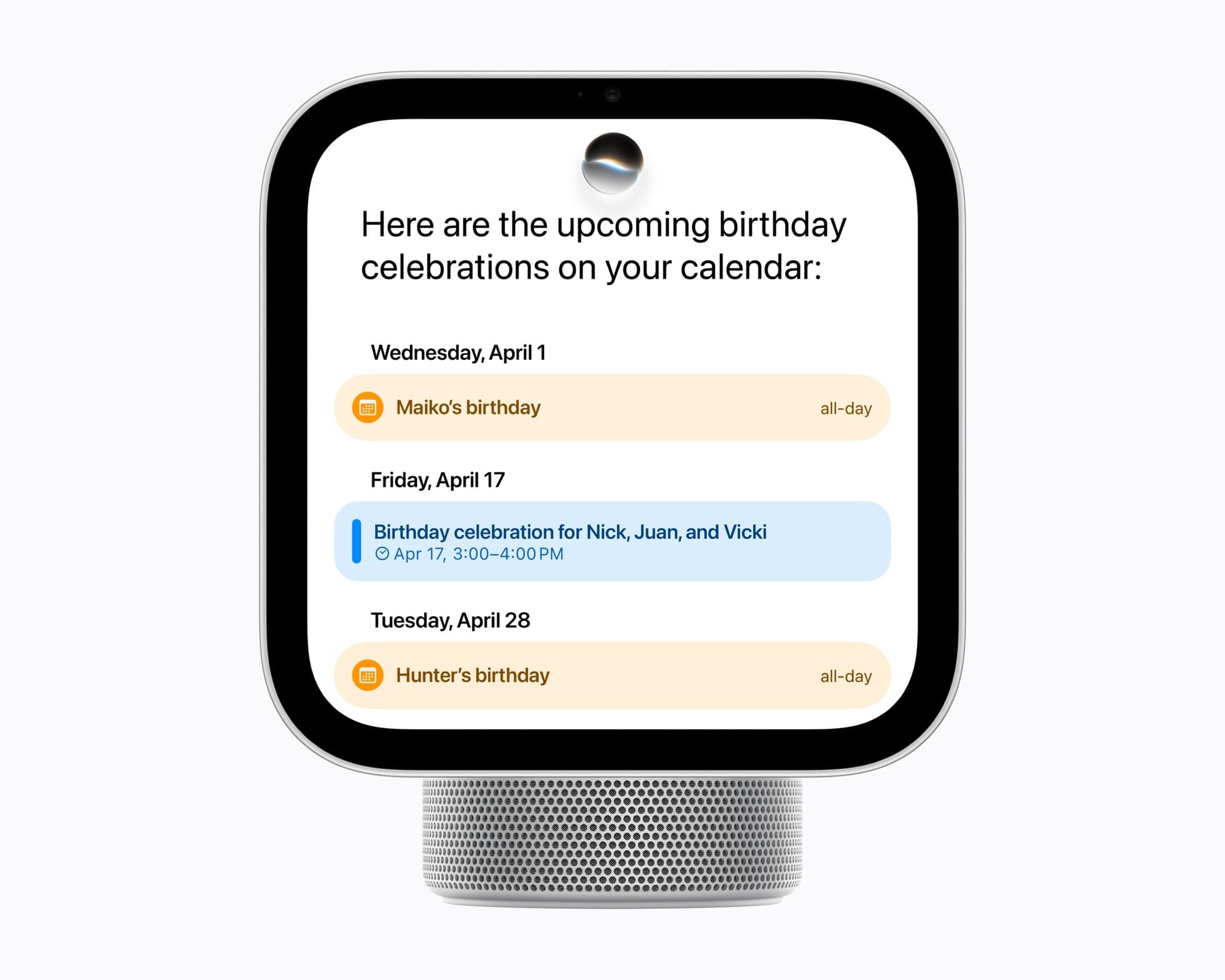
Apple’s second iOS 27.3 betas have widened Siri AI’s on-device routing to five more languages, according to an analysis by developer pdfu, who posted it to r/iOSBeta. Online requests in Spanish, French, Japanese, Korean and Portuguese can now be handled by a small on-device model, as English requests already could. The findings come from pdfu’s own work on the beta and are not an Apple statement.
In the Reddit thread, pdfu says he found the details by comparing IPSW files between releases and reading logs and system files on macOS. Apple has not documented how Siri AI routes requests, so treat the figures below as the researcher’s reading of the beta, not confirmed behaviour.
How Siri AI routes a request
According to pdfu, a request passes through up to three stages:
- Skimmer (since 27.0): pattern-matching rules catch common requests such as “Call Mom” and run them as local tool calls without a language model. It supports 16 languages. pdfu stresses that Skimmer is not the old Siri, so a request the old Siri could handle may have no equivalent rule.
- Classifier (since 27.2): if Skimmer misses, a small local model chooses where the request goes.
- Destinations: Pegasus, Apple’s agentic search server (target about 2% of requests); the on-device model, which can make calls, play media and find places while you are online from 27.3 (about 2%); and Private Cloud Compute for everything else (about 96%), including languages the classifier does not support.
Offline, pdfu says, you get Skimmer plus another on-device model with more tools, including timers, alarms, opening apps, volume and Home controls. That has been the case since 27.0.
What changed in the second 27.3 beta
- The classifier can now route requests in Spanish, French, Japanese, Korean and Portuguese to Pegasus or the on-device model. Private Cloud Compute still handles most requests.
- More English media and calling requests go to the on-device model.
- For the first time, some place-finding requests are also handled on the device, depending on wording.
Wording decides the route
pdfu’s examples show how small differences change where a request goes:
- “Play Coldplay”: Skimmer. “Can you play Coldplay”: on-device model. “Put on some Coldplay”: Private Cloud Compute.
- “Call Mom”: Skimmer. “I want to call Mom”: on-device model. “Give Mom a call”: Private Cloud Compute.
- “Find a coffee shop in San Francisco” and “Find an Apple Store in San Francisco”: on-device model. “Find a restaurant in San Francisco” and “Find a coffee shop near me”: Private Cloud Compute.
- Some titles route on-device (“Can you play Severance”) and others do not (“Can you play The Office”).
Why it matters
If the split holds, almost all Siri AI requests still go to Apple’s servers, which fits Apple’s focus on Private Cloud Compute. The on-device share is small, but it shows the direction: simple calls, media and place searches answered locally, with no round trip. The five newly covered languages match the ones Siri AI supports in the beta. For more, see our guide to Siri AI usage limits.
Credit: analysis by pdfu, posted on r/iOSBeta. He is also on Bluesky as pdfu.dev.