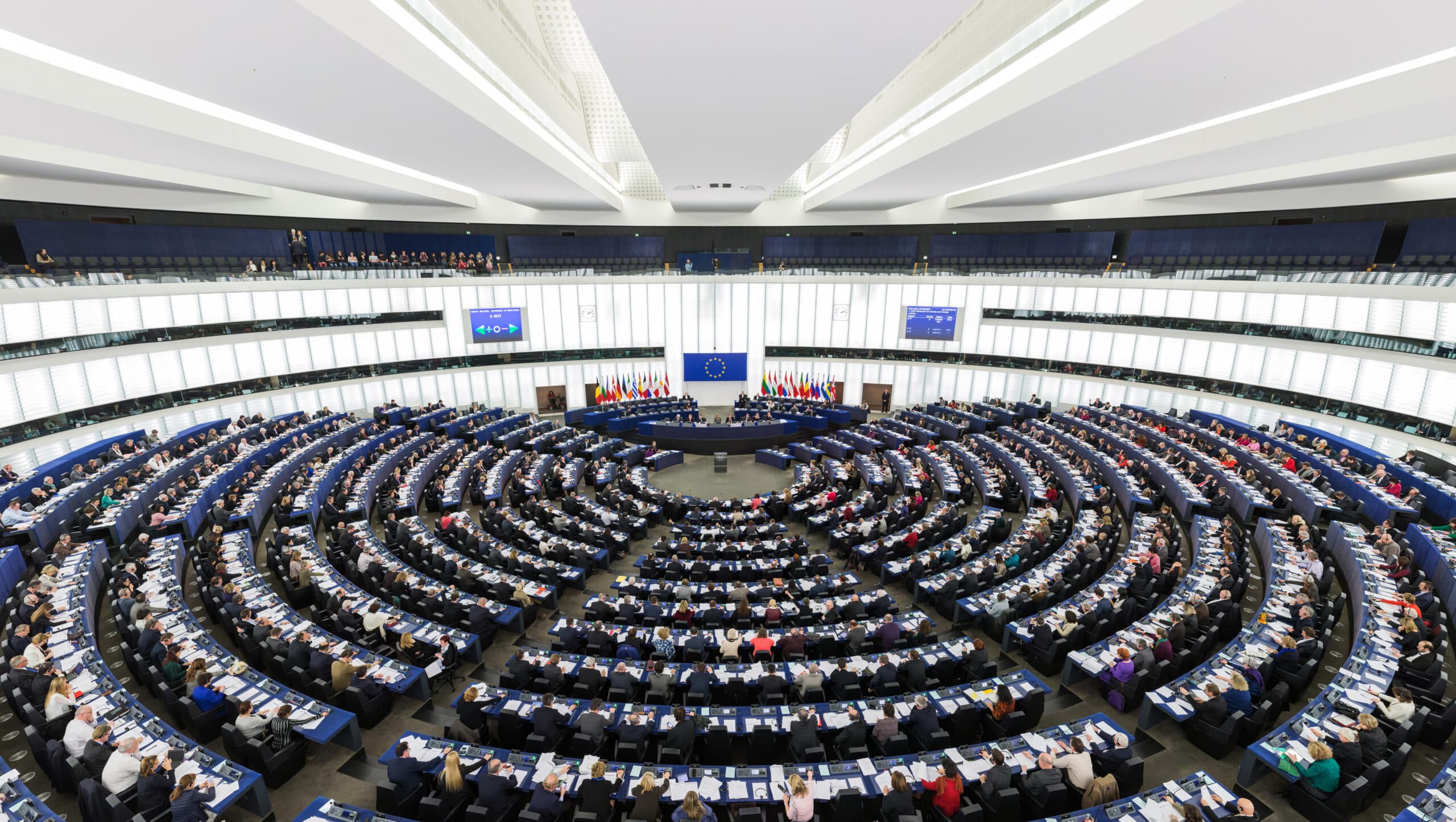
Apple Executive Chairman Tim Cook praised the European Parliament’s leadership in “championing a harmonised, Europe‑wide framework to keep kids safe” during a visit to Strasbourg on 6 October, AFP reports. He added that the proposed EU KIDS Act “has helped trigger a constructive conversation around this critical issue in Europe”. It is a rare point of agreement between Apple and Brussels after years of disputes over the Digital Markets Act.
Cook met European Parliament President Roberta Metsola and lawmakers focused on children’s safety to discuss the proposed legislation, which restricts social‑media access for children under 13, introduces parent‑managed mini accounts with a one‑hour daily limit for 13‑14‑year‑olds, and allows individual accounts from age 15, according to AppleInsider.
The KIDS Act also requires app stores to age‑rate apps, block inappropriate purchases, and support privacy‑preserving age verification. Apple says its Child Accounts, Screen Time (expanded in iOS 27), and the Declared Age Range API already meet these goals.
Unlike Apple’s opposition to the DMA, the KIDS Act targets areas where the company already invests, such as parental controls and age verification. Cook transitioned from CEO to Executive Chairman on 1 September 2026 and continues his policy engagement.
Apple has spent years fighting the EU Digital Markets Act, arguing that alternative app marketplaces weaken privacy and security, and blaming the DMA for delaying Siri AI features in the EU. Cook also met European Commission President Ursula von der Leyen in September to discuss online child protection. The KIDS Act applies to social networks, video‑sharing services, online games, AI companions, and chatbots. Apple expanded parental controls and Child Accounts in iOS 27 to make them easier to create across iPhone, iPad, and Mac.
For context on the EU’s broader regulatory approach, read EU considers annual lump‑sum tax for Apple and other large companies.
The extent of Apple’s endorsement of the KIDS Act remains unclear, as Cook’s praise does not cover every provision of the proposed law, which will only become law after negotiations between the European Parliament and EU member states.