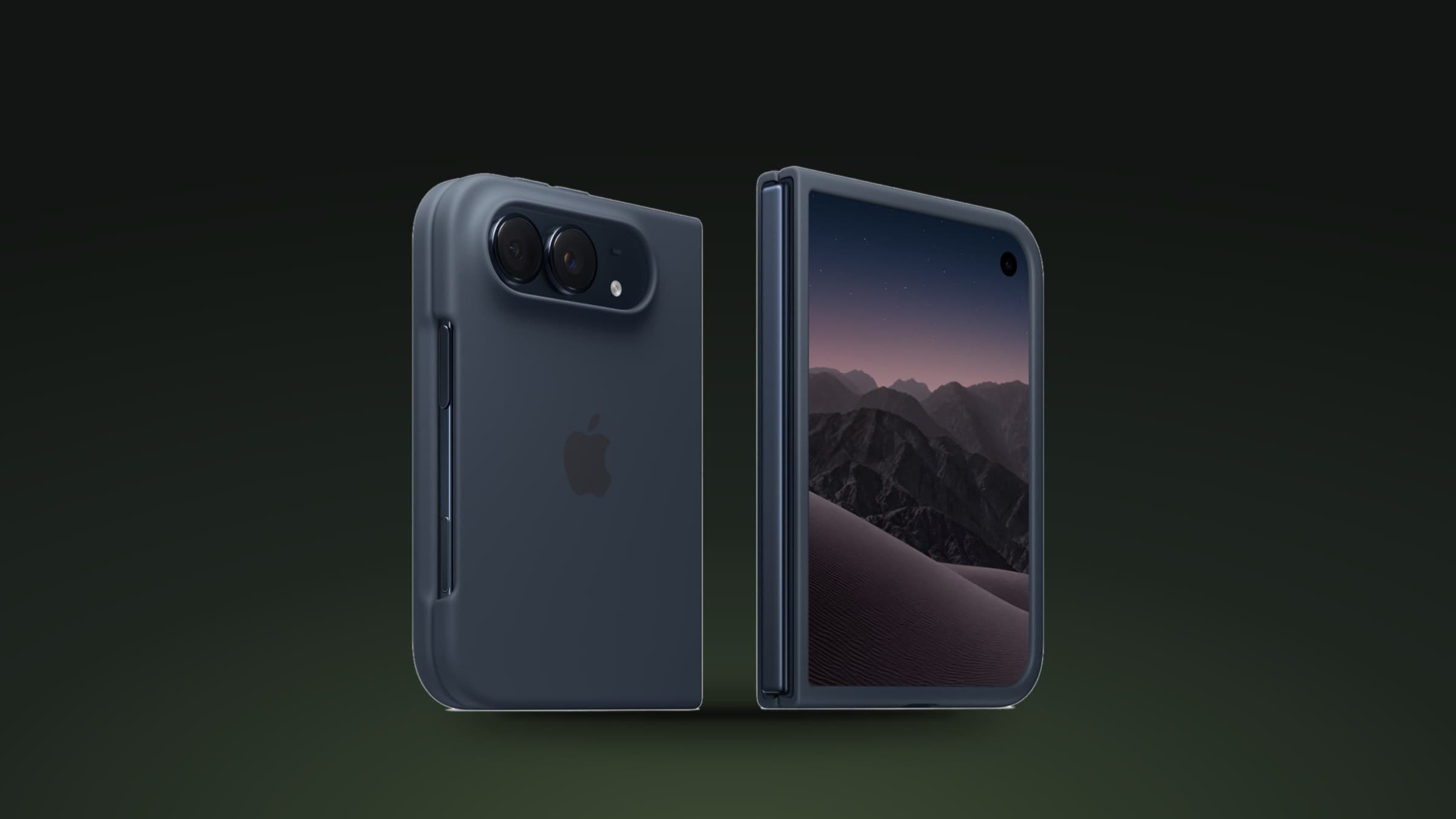
Apple has acknowledged “an issue impacting the inner display on a small number of iPhone Duo units” and says affected owners should contact AppleCare for a replacement. The statement, given to 9to5Mac and Bloomberg on Monday 26 October, is Apple’s first public comment since owners began reporting inner screens cracking along the hinge on launch day.
Here is Apple’s full statement:
“The response to iPhone Duo from early users has been incredibly positive, and we are seeing exciting things from developers who are rapidly updating their apps to take advantage of its unique form factor. We are aware of an issue impacting the inner display on a small number of iPhone Duo units. If users experience issues with their iPhone Duo display, they should contact AppleCare for a replacement.”
Apple also says most units aren’t affected and that the problem tends to show up relatively quickly on those that are, according to 9to5Mac and The Verge. You don’t need AppleCare+ to get a replacement for this fault. If you bought your iPhone Duo through a carrier, Apple says to contact AppleCare directly, not the carrier.
What Apple hasn’t said
The statement gives no number of affected phones and no cause. Owners have described a crack along the hinge, often followed by a bright line of stuck pixels. iFixit’s teardown suggests the centre hinge support bar may not drop far enough when the phone closes, so the screen presses down on it, but that remains a hypothesis. Apple also told 9to5Mac that some images of cracked screens circulating online are fake, AI-generated reports, though many Reddit posts are genuine.
Why it matters
The iPhone Duo costs £1,999 in the UK and $1,999 in the US, and it goes on sale in 28 more countries and regions on 30 October. Apple has responded within four days of the first reports, far faster than in the Antennagate era. A clear replacement route, with no AppleCare+ requirement, removes the biggest worry for early buyers. Whether it’s a batch defect or a design flaw is still unknown. Our crackgate explainer covers the reports, iFixit’s findings and how earlier Apple “gates” played out.