A UK tribunal has ruled that the Home Office must acknowledge it served Apple with a secret order to weaken its encryption. The Investigatory Powers Tribunal rejected the government’s argument that confirming the notice would harm national security, Privacy International said today. Bloomberg and the Financial Times also reported the ruling.
Until now the government has refused to confirm or deny that any such “technical capability notice” exists. The tribunal found that it had already abandoned that position by admitting the notice to reporters and to the US government. It also said the government gave no detailed evidence of harm.
What the ruling means
The case brought by Privacy International, Liberty and two individuals is being managed together with Apple’s own challenge. The ruling lets much of both cases proceed in open court. Bloomberg reports that a hearing on the substance is not expected until next year, and the exact terms of the notice remain secret.
Privacy International’s legal director, Caroline Wilson Palow, called the judgment “a major victory for transparency and effective oversight”. Liberty’s director, Akiko Hart, said the public deserve to know when government actions undermine their privacy and safety.
A Home Office spokesperson has said the government does not comment on operational matters, including individual notices. Apple said when it withdrew ADP that it has “never built a backdoor or master key to any of our products or services and we never will.”
What it means for users
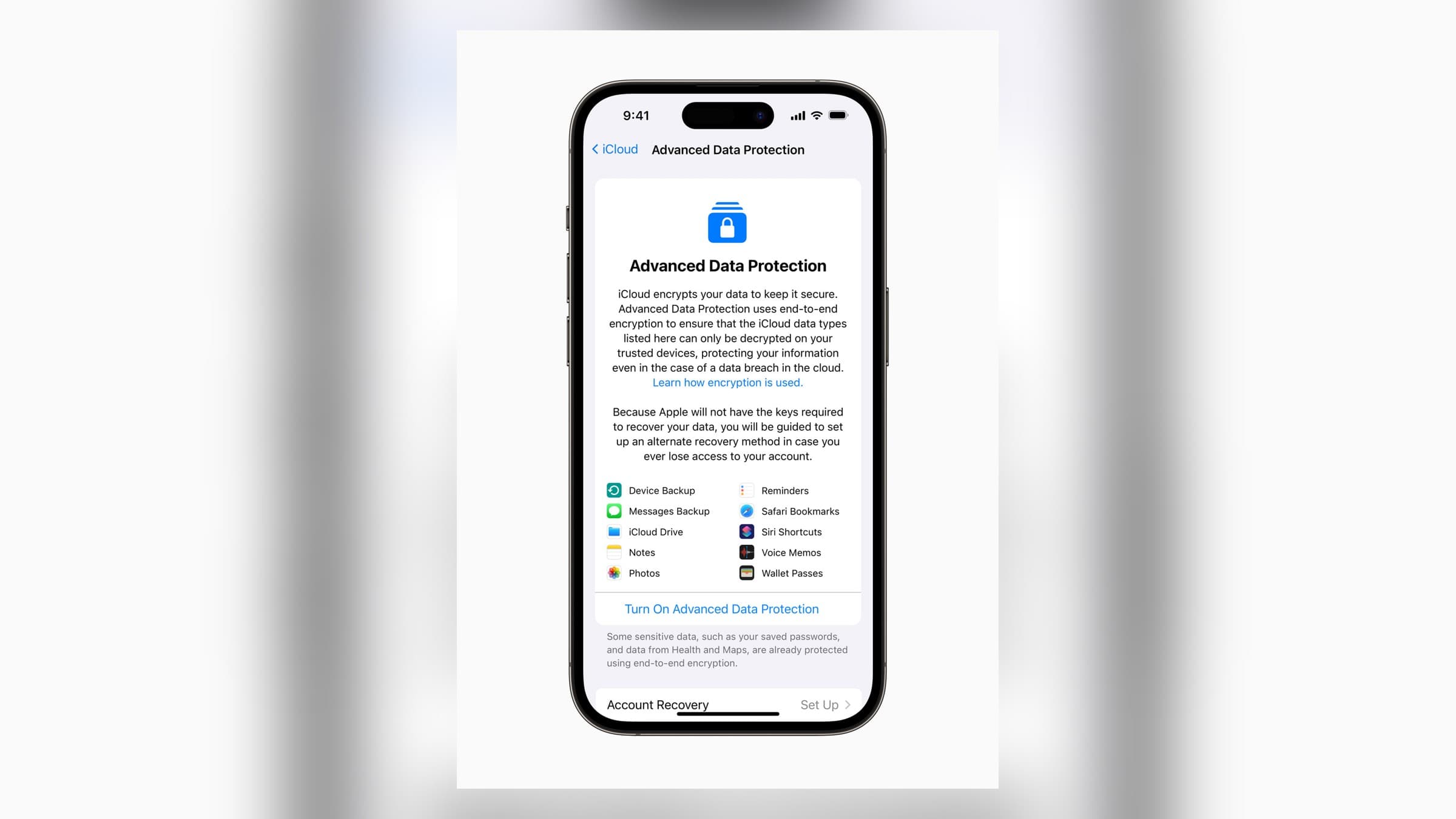
ADP extends end-to-end encryption to nearly all iCloud data, so Apple cannot read it. It is off by default. New UK users cannot switch it on. Users in the US, the EU and most other countries can still enable it. iMessage and FaceTime remain end-to-end encrypted everywhere.
The outcome matters beyond Britain. Notices under the Investigatory Powers Act can apply to services used worldwide, and other governments are watching how far such demands can be pursued in secret.