News
UK must admit it served Apple with a secret encryption order, tribunal rules
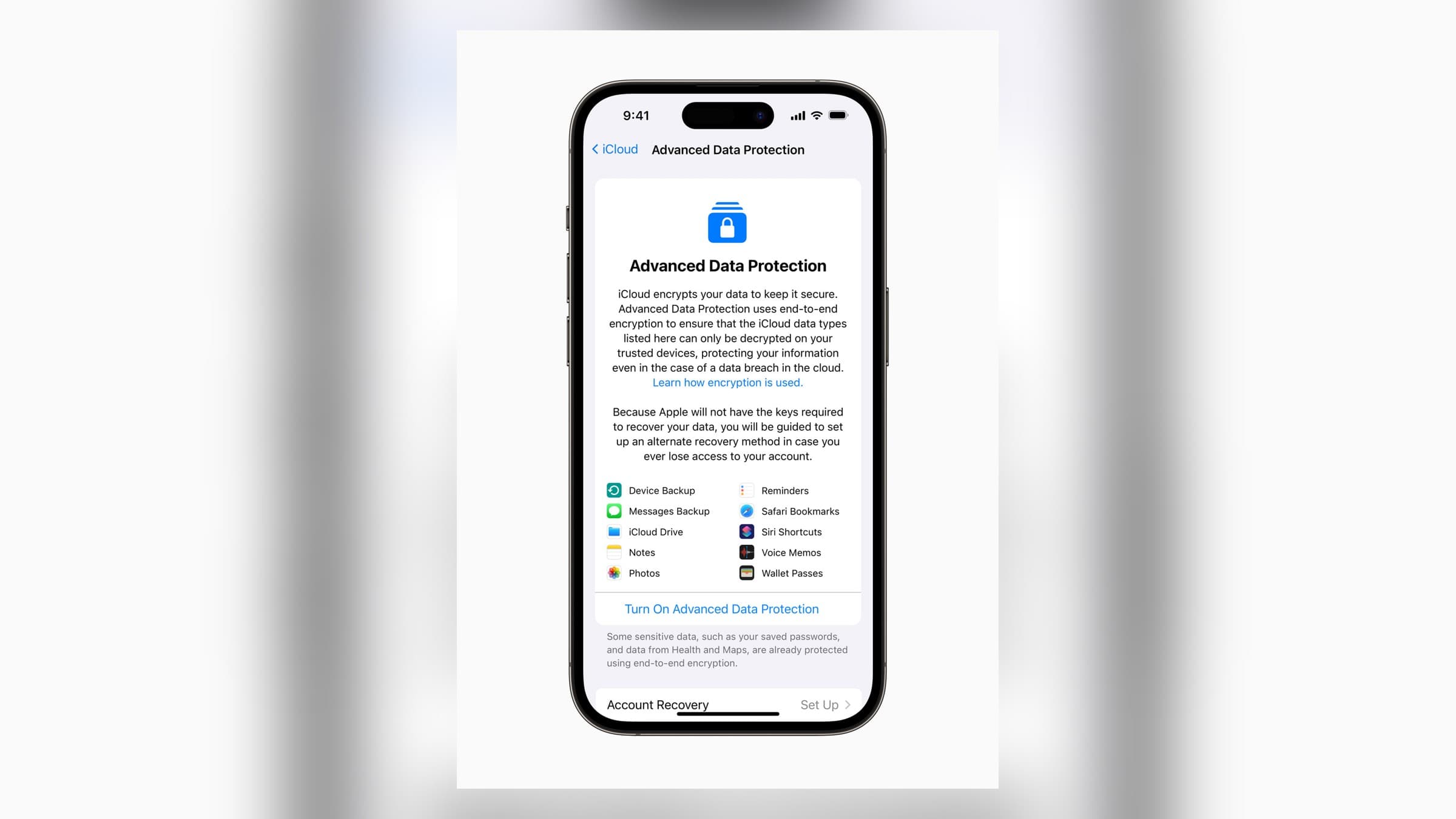
A UK tribunal ruled the Home Office must acknowledge its secret order to Apple. The fight over iCloud encryption will now largely be heard in open court.
Topic
A UK tribunal ruled the Home Office must acknowledge its secret order to Apple. The fight over iCloud encryption will now largely be heard in open court.

Apple added a WebKit API for Global Privacy Control across its OS 27 lineup, letting developers implement user opt-out signals via the emerging GPC standard.
Two symbolic link race conditions in Music.app allowed an attacker to replace the TCC database and gain unauthorised access to protected data. Apple fixed the bugs fully in macOS 27 Golden Gate.
Attackers compromised third-party scripts on Optimizely and other services to push iOS exploits, card skimmers and cryptocurrency clippers to visitors of BBC, Zoom, CNN and other major sites.
At least 178 organisations were affected by the Optimizely breach, with exploit kits targeting iOS 13 through iOS 18 and fingerprinting code for iOS 26.
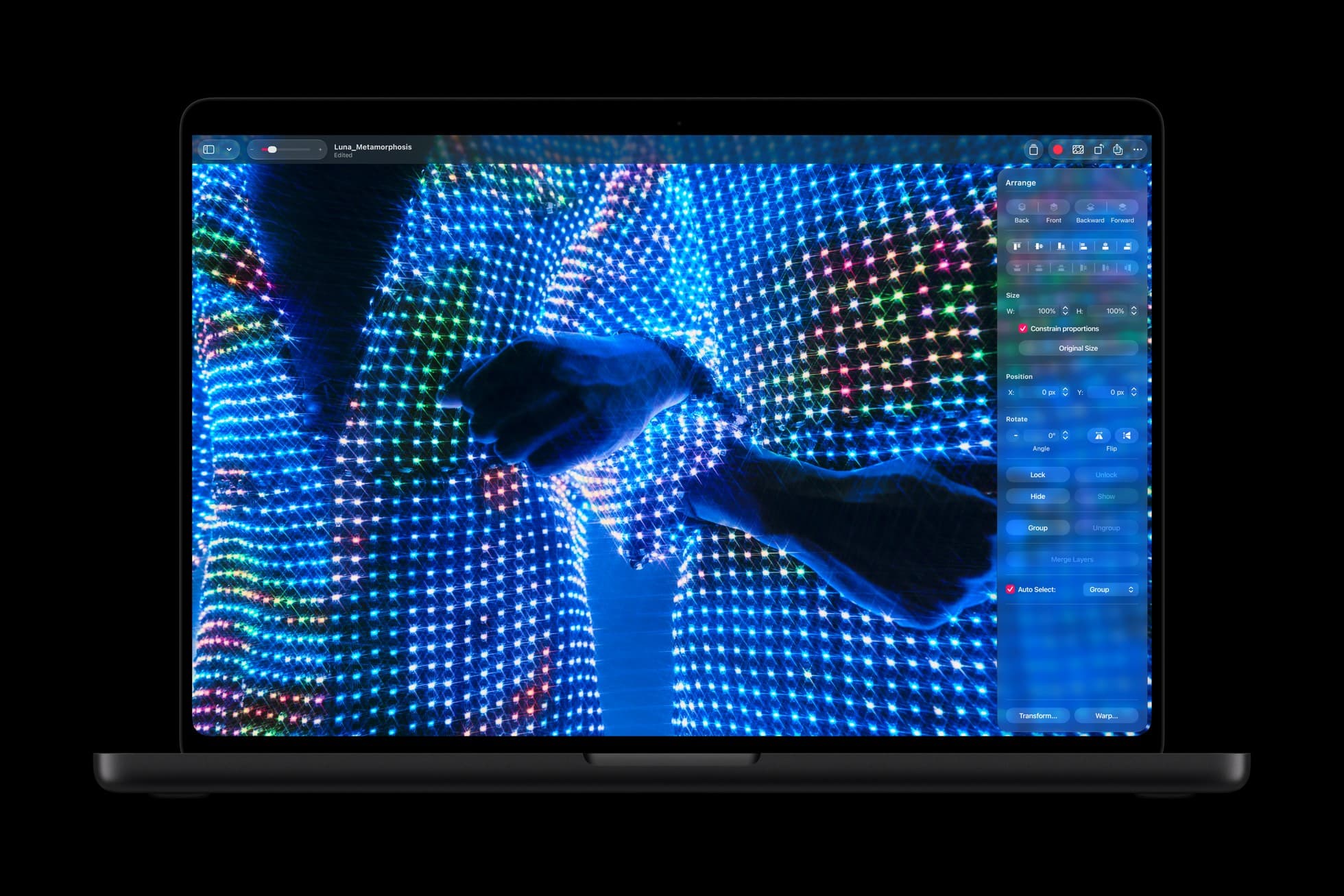
Apple’s macOS 27.3 beta 2 introduces more granular privacy controls, splitting Device Control and Data Access into two categories and adding a transparency indicator.
Security researchers at Eighth Rank have detailed how Apple’s Personal Knowledge Graph on macOS stores extensive personal data in plaintext SQLite databases.
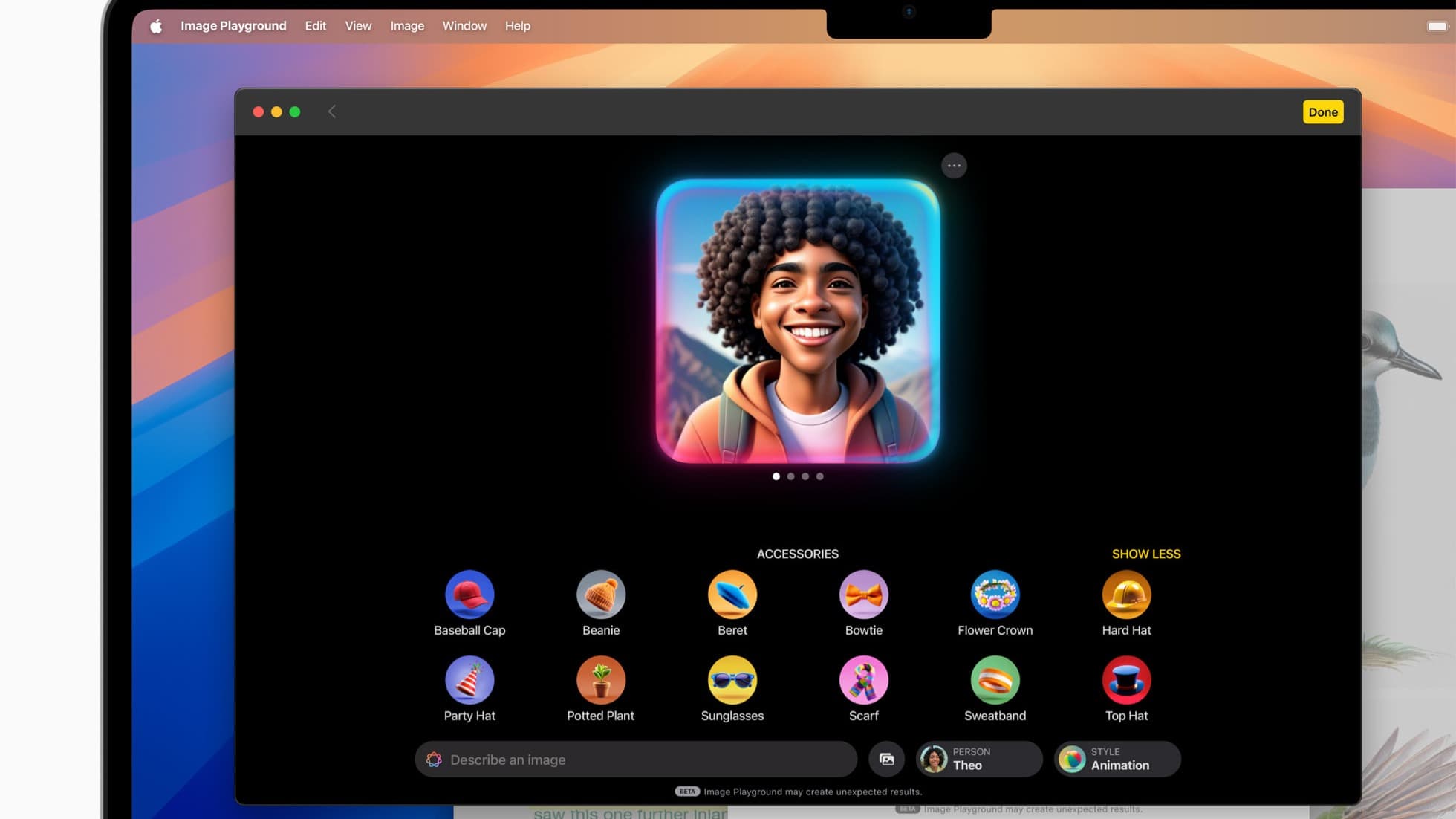
Apple’s 27.2 operating-system updates add an invisible SynthID watermark to images created or edited with Apple Intelligence tools, including Image Playground and Clean Up.
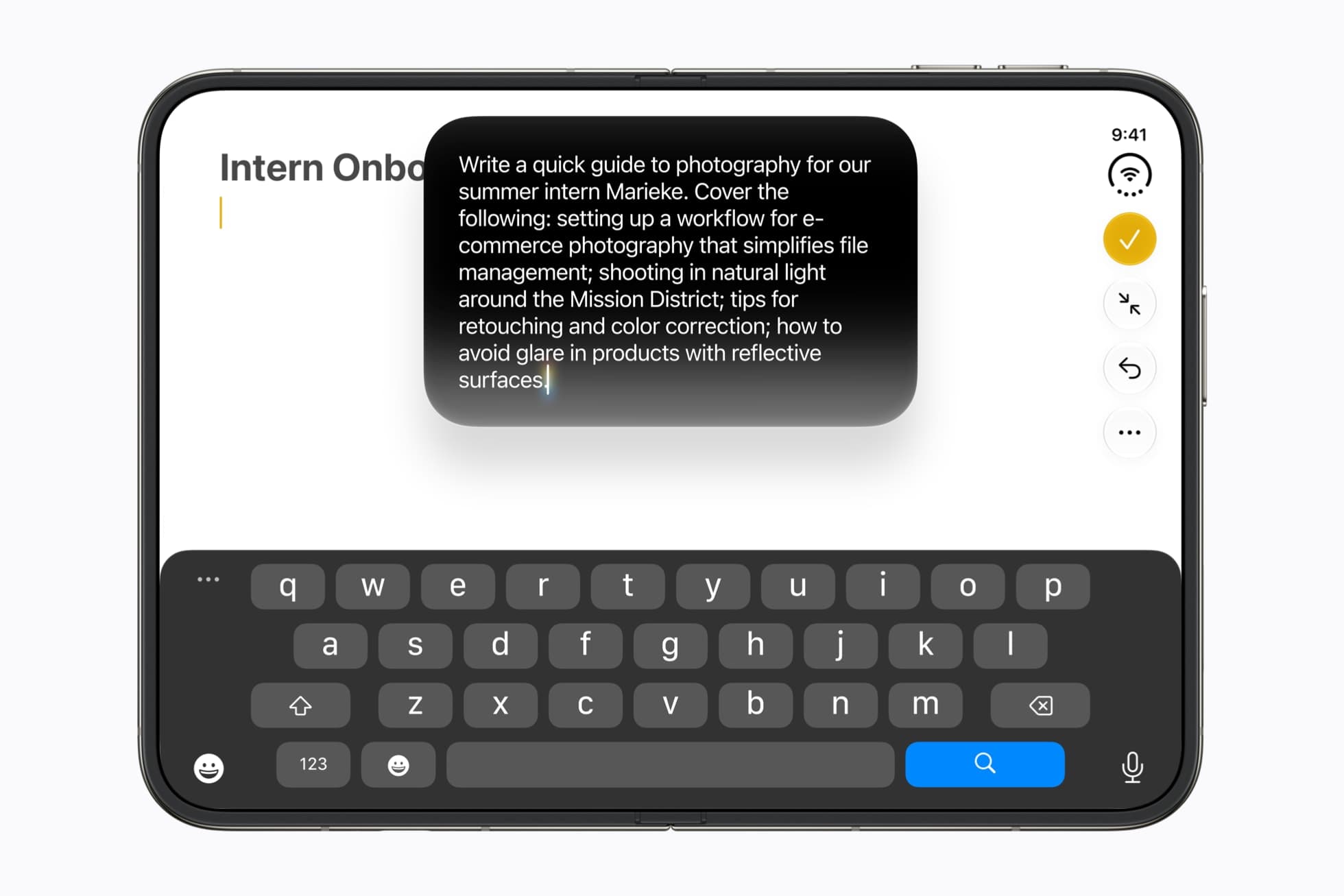
Apple says the keyboard avoids showing potentially offensive predictions, but users can still type blocked terms.
Apple says iCloud items shared with ‘Anyone with the link’ will be checked for harmful content from version 27.3 of iOS, iPadOS, macOS and visionOS.

Apple announced Adaptive Dark Mode for Safari 27.3 beta, which converts light websites to dark and hides the change from sites. It aims to serve the 40 per cent of page loads in dark mode.
Apple’s iOS 27.2 support documentation adds a selfie-based adult age-verification method, joining credit-card and ID checks.
Apple’s 26 October updates fix at least 329 vulnerabilities, including a CoreMedia camera-access bug and an Apple Intelligence data flaw.
Apple says a future macOS update will block the compromised eMudhra certificates in curl, git and other command-line tools. Most users need no action.

Apple has temporarily closed seven stores in France today to protect staff, after two of its outlets were looted during protests on 17 October.
Apple has blocked eight compromised eMudhra certificates since 19 October, but macOS’s built-in curl, git and Python still trust them.
Impersonation Risk Detection in iOS 27 and iPadOS 27 warns supporting apps when a payment or password change looks like a scam. Here is how to switch it on.
Safari in iOS 27 and macOS 27 now blocks firms that track you across websites via your email address. Apple explains how it works.
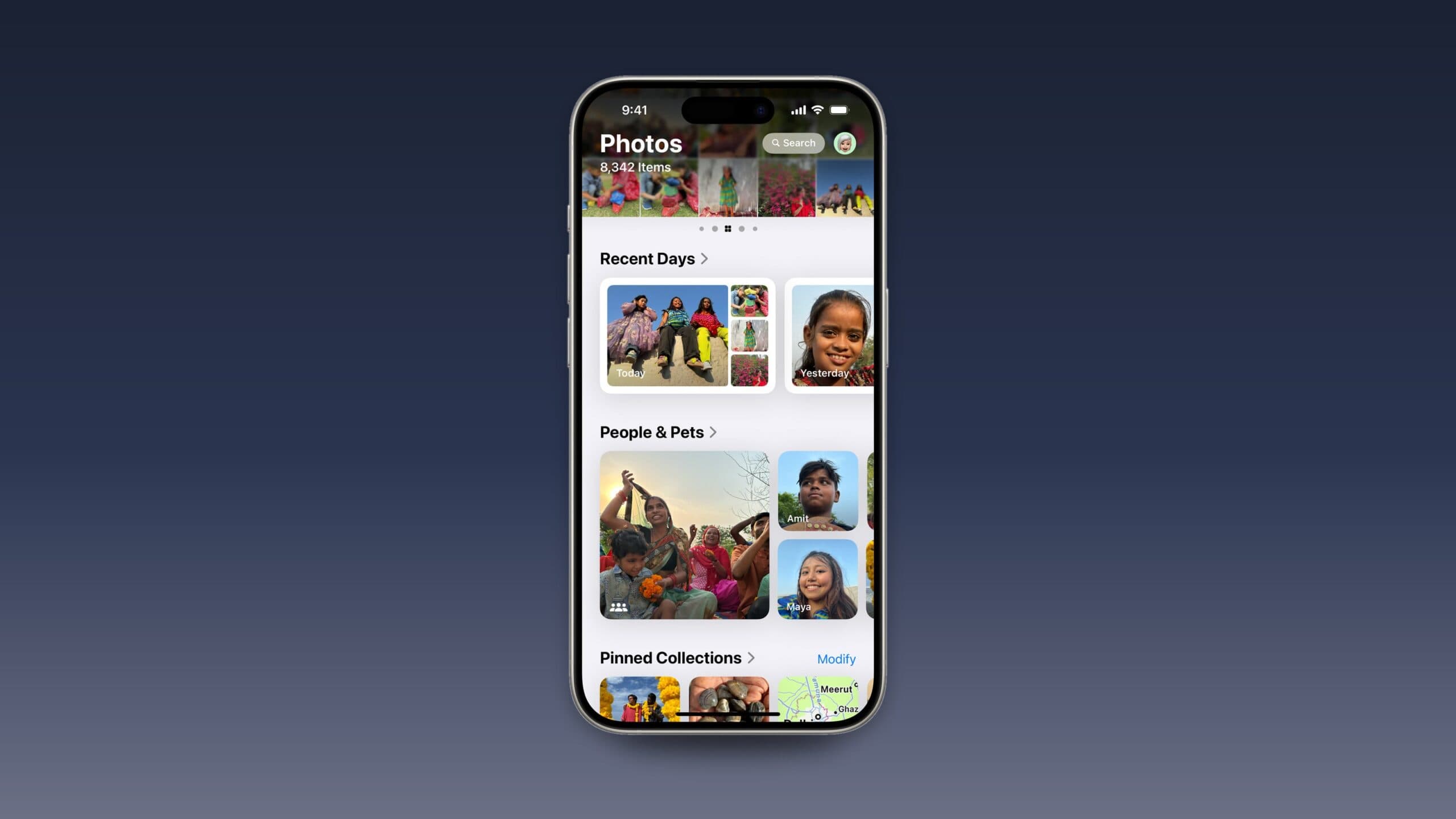
A federal judge trimmed Apple’s $32.5 billion Illinois biometric-privacy case over Photos faceprints, keeping two of three subclasses alive for trial.
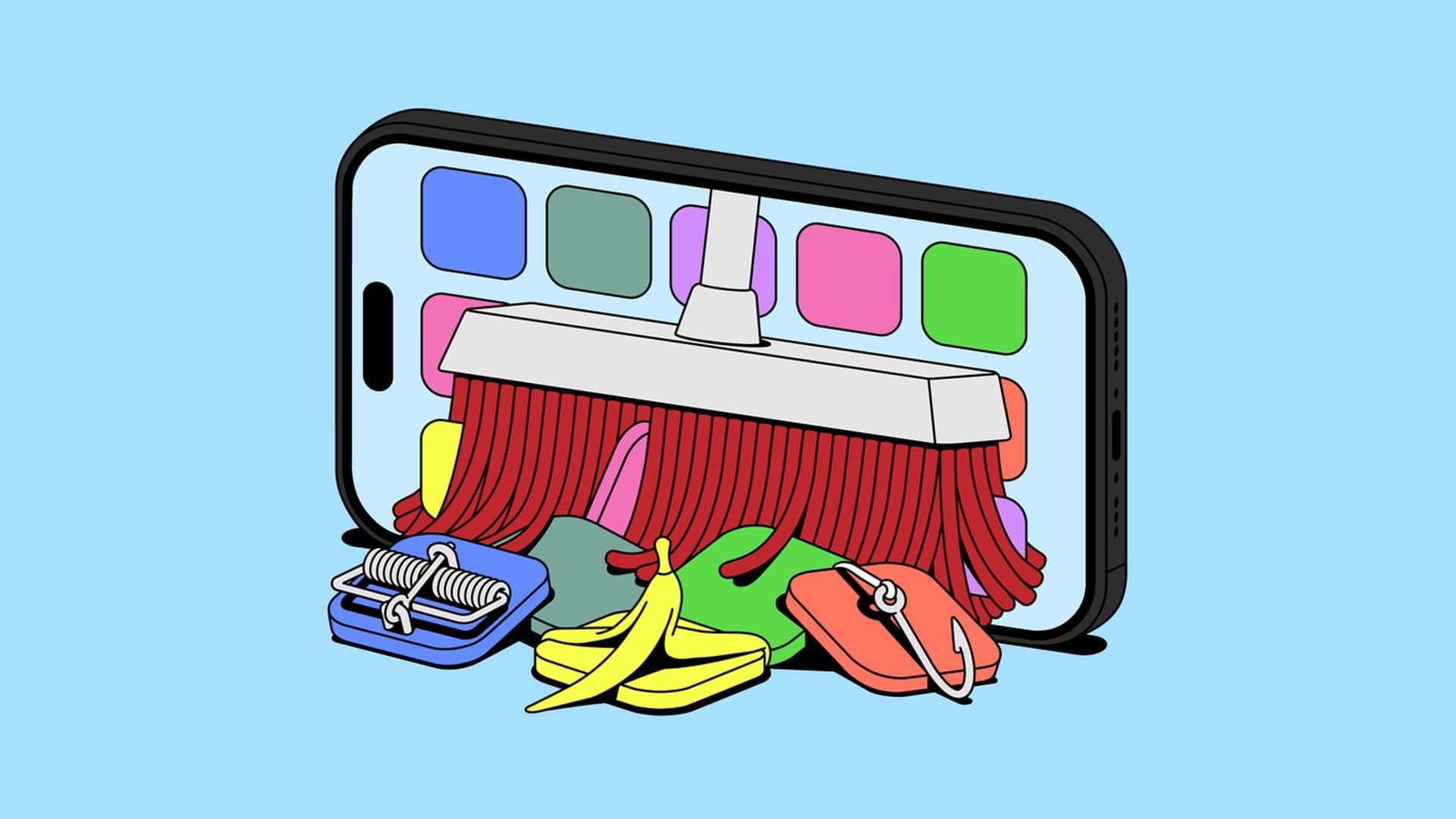
Apple updated its App Review Guidelines to require apps to prevent nonconsensual intimate imagery, including AI-generated content, and to clarify that bait-and-switch apps will be removed and developers terminated.
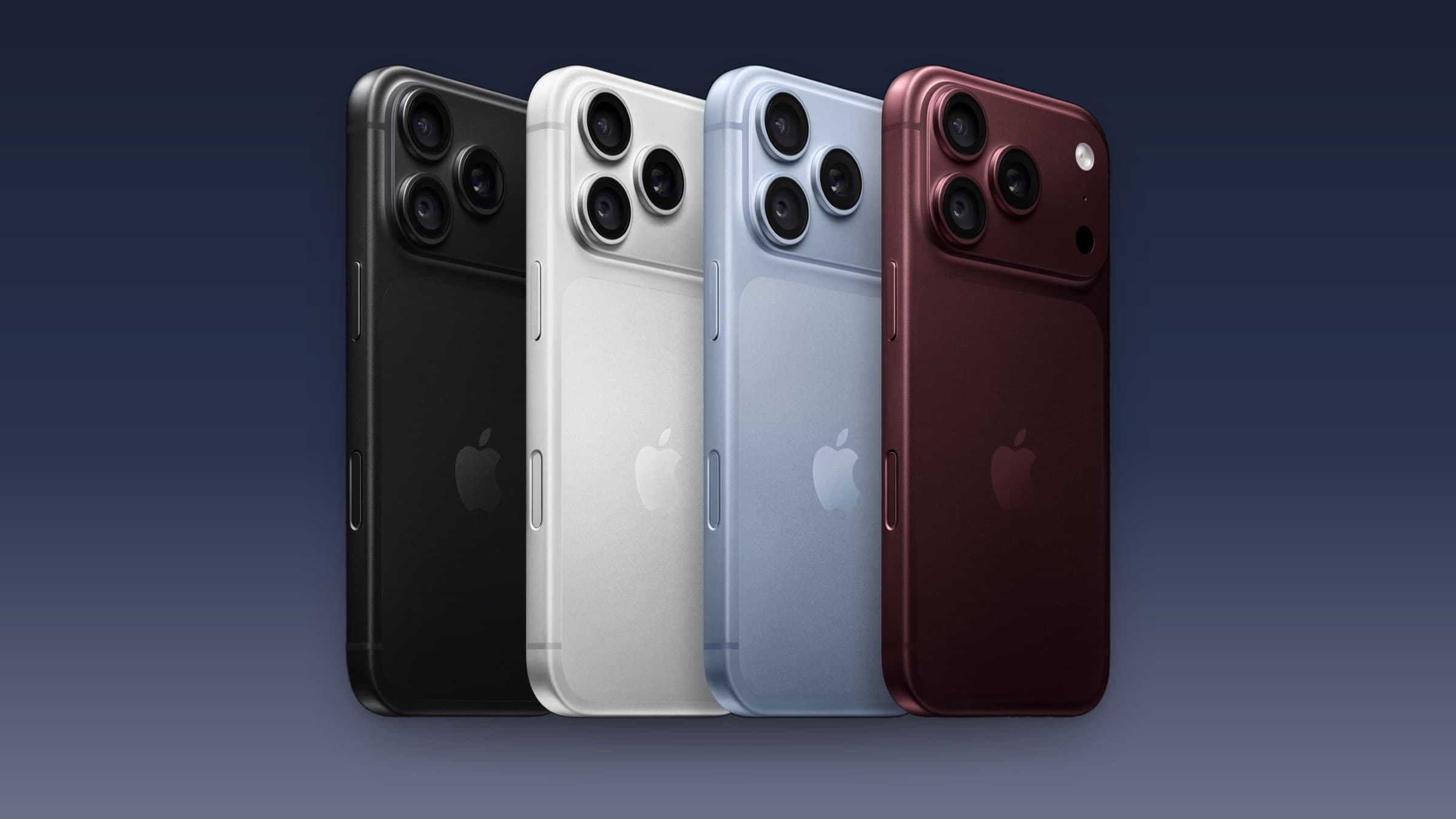
iVerify has revealed P7, a new DarkSword spyware variant that targets iPhones up to iOS 18.7. It can extract Apple Keychain and crypto-wallet data directly on the device.
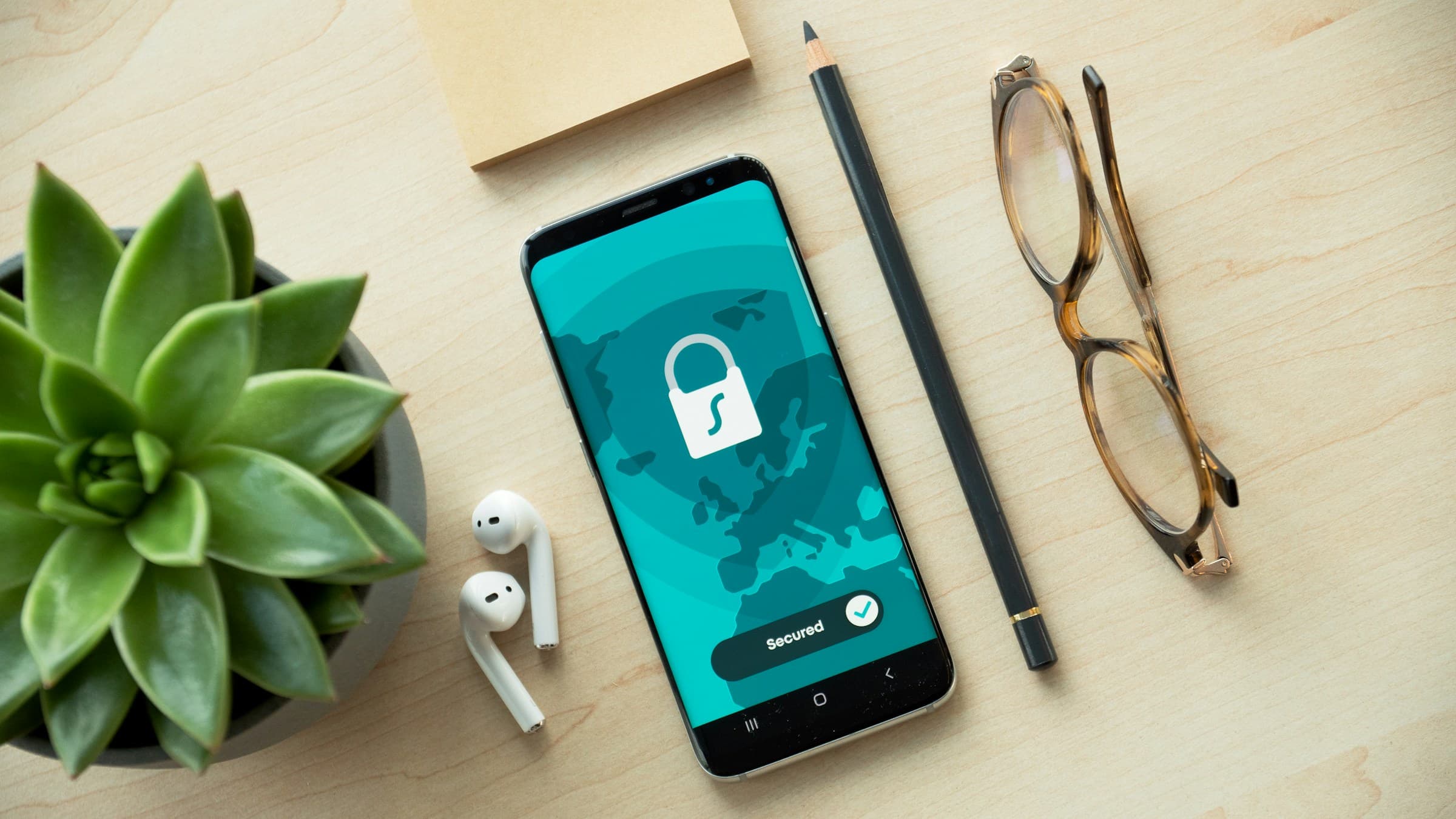
Apple’s iOS 27 release blocked advertising firm The Trade Desk from serving ads in Safari, with the block reaching other iOS browsers through WebKit. The block is reversed only in the iOS 27.2 beta, and Apple has not commented.
By Martin ·
Apple is reportedly developing a smart home security camera that uses on-device AI to provide text descriptions of events instead of recording video, prioritising privacy over traditional surveillance.
By Mac to Reality Newsdesk ·
Apple is introducing stricter Full Disk Access controls in macOS, citing growing risks from AI agents. The company said that as AI becomes more autonomous, the potential for abuse of this permission increases.