Within a week, Apple switched off the place where its customers solved problems together, then lost its own account system for hours. It explained the second event in a sentence. It has not explained the first at all.
On 11 November the Apple Support Community stopped accepting new posts. It closes for good on 20 November. The forum dates back to 1998 and, by Apple’s own notice, members are now pointed to “the official Apple Support site”. On 17 November an internal update, Apple told Bloomberg, took down iCloud sign-in, Apple Business, School Manager, Schoolwork and retail systems. Apple said it was not a cyberattack. It did not say which update, or how it got through.
Each of these is a small story. Together they point at something I think matters more than any chip announcement this autumn: Apple is turning into a company that sells access to a service, and it still runs its support like a company that sells boxes.
The product is now the account
Look at what Apple has just told us about Siri AI. In a support document dated 16 November, it says Siri AI and Apple Intelligence stay free on supported devices, but features that lean on server models carry daily limits. From iOS 27.3, iCloud+ subscribers on 200GB plans and above can raise those limits, up to 20 times on the 12TB tier. The limits are per device and per feature category, and reset around local midnight. Apple adds that the higher access is not available in Brazil, the EU, the UK or South Korea.
That is a metered service with regional rules, tiers and shared pools across a family. It sits entirely on your Apple Account. If sign-in fails, so does the thing you pay for.
When the product is a service, support stops being a courtesy at the end of the sale. It becomes part of the product. You would expect a company in that position to be investing in a place where customers can see what is broken, whether it is just them, and what other people did about it.
What the forum was actually for
Anyone who has used the Apple Support Community knows its faults. Advice was uneven, threads wandered, and “reset the SMC” was offered for problems that had nothing to do with the SMC. I will not pretend it was a model of editorial quality.
But look at what it did that the official support pages do not. A support article tells you how Apple would like you to use a feature. A forum thread tells you what happened when someone did, and whether forty other people had the same problem. That is exactly the evidence people need when something new misbehaves.
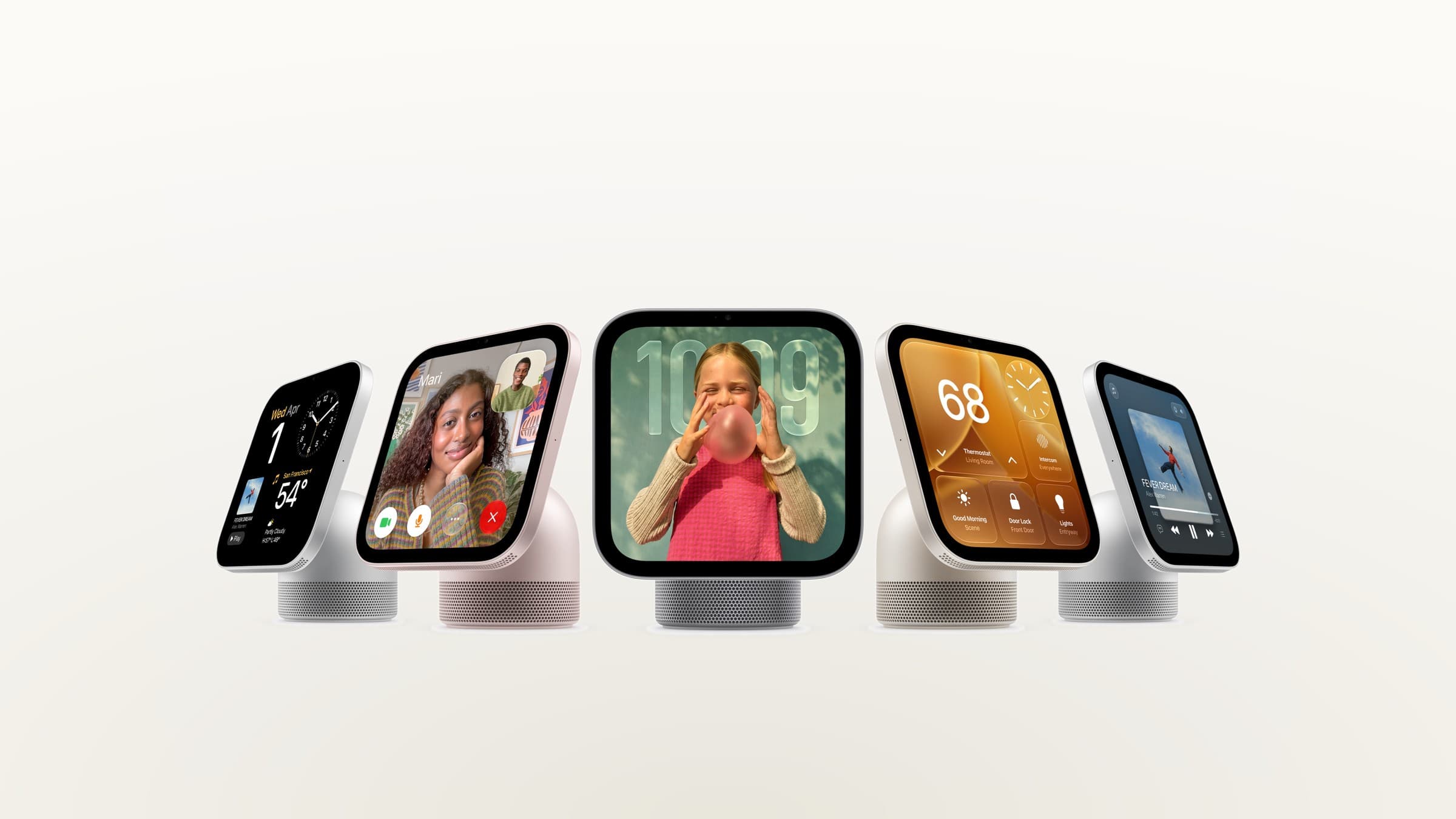
The timing is awkward. MacRumors reported on 16 November that some HomeView owners cannot set timers or alarms and see a prompt for a software update even when the hub says it is up to date. Siri can reportedly take minutes to answer. According to the same report, a senior AppleCare advisor suggested cold-rebooting the paired iPhone. Whether that is the right fix, I cannot say. Until 11 November, those owners could have compared notes in a thread on Apple’s own site. Now that thread is read-only, and the fix is whatever one adviser happens to say on the phone.
The counter-argument deserves a hearing
Apple has not given a reason for closing the community, so I should be careful. There are fair guesses. Moderating a public forum is expensive. Volunteer answers can be wrong, and Apple is on the hook if someone follows bad advice and loses data. Most people now ask questions elsewhere anyway, on Reddit, in YouTube comments or, increasingly, to an AI assistant. Apple’s own Support app, chat and phone lines may well resolve more problems per hour than any forum.
All of that may be true. It still does not answer the point. Reddit is not accountable to Apple customers, and neither is a search engine. The difference is that Apple’s own site was at least a place where Apple could see the problems and answer them. A company that wants us to trust it with our photos, health data and, now, a metered AI assistant should want its problems discussed where it can respond. Closing the room does not remove the complaints. It moves them somewhere Apple is far less likely to see them.
Explain the outage like an operator, not a spokesperson
The outage points the same way. Apple’s System Status page listed the iCloud sign-in problem from 16:45 UTC and the education tools from 18:40 UTC. Apple’s statement to the press was short: an internal update, not an attack, largely resolved. For schools that could not reach Schoolwork and shops that could not use their systems, that is a thin account of a failure that lasted hours.
Other service companies have settled on a habit that Apple has not: a written post-incident review, within days, saying what changed, why it was not caught, and what will be different. It costs little. It is also the clearest way to show that a company takes its own reliability seriously, which matters a great deal when the thing being sold is access.
What I would like Apple to do
Three small things. First, keep the community archive online and readable, even if it never accepts a new post. Years of answers about older Macs and iPhones are the sort of material people search for long after a device leaves the shops. Second, give the status page a history that links to short written explanations of significant incidents. Third, if the forum is going, replace it with something where customers can see each other’s reports of a known fault, even if Apple moderates it hard.
None of that is glamorous. But Apple is asking us to pay by the tier for AI that lives on its servers, and to rely on one account for devices, payments and school work. The company that built its name on the quality of what you hold in your hand now has to earn the same reputation for what you cannot see. How it handles its own failures in public is the first test, and it has had a poor week.