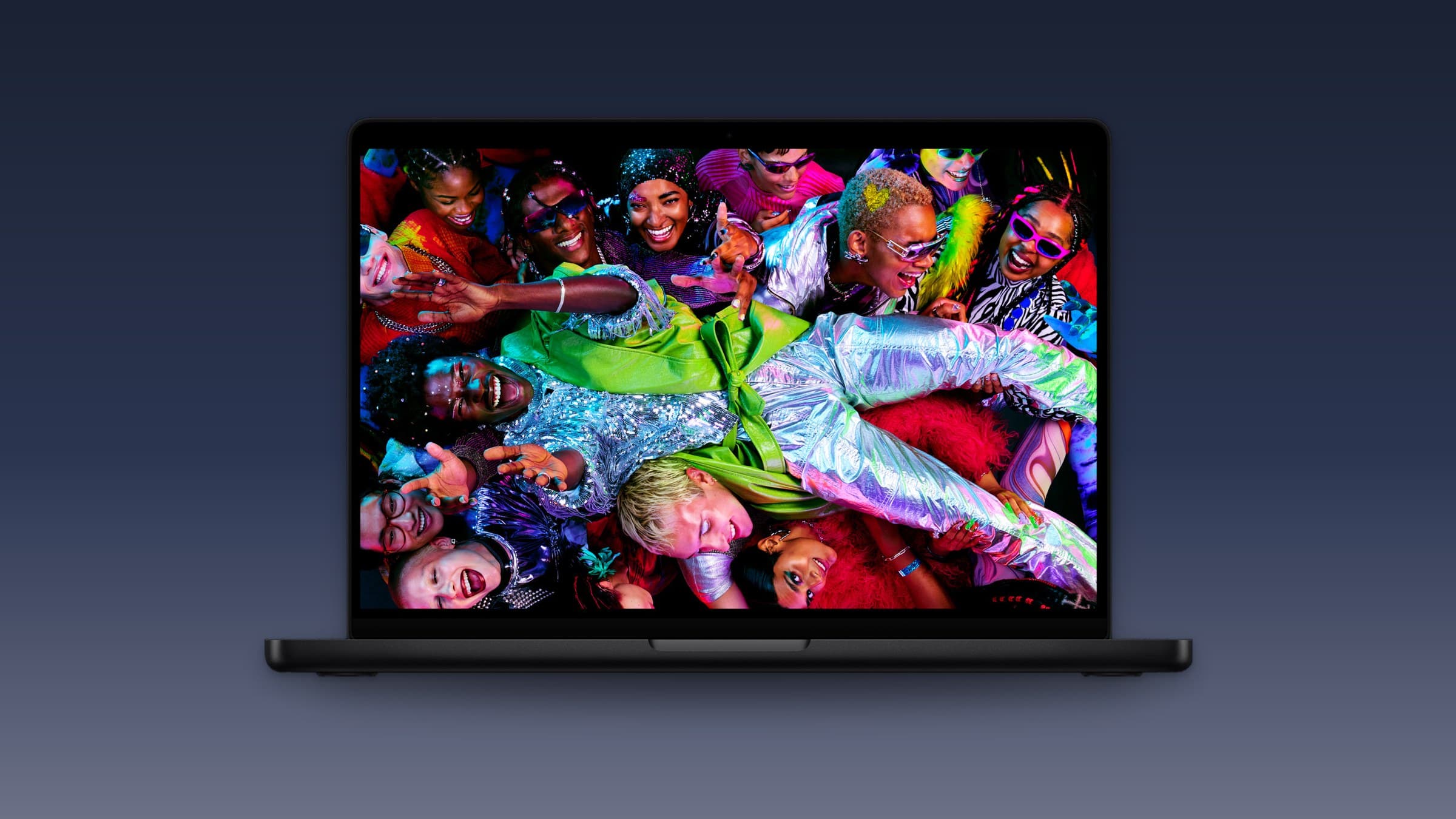
Apple plans to unveil 14-inch and 16-inch MacBook Pro models with touch-enabled OLED displays on Wednesday 28 October, according to Bloomberg’s Mark Gurman in his Power On newsletter. It would be the first Mac with a touchscreen, ending Apple’s resistance to touch on the Mac after roughly two decades.
The date matches Apple’s already-confirmed ‘Pro and tell’ event in Los Angeles, which starts at 10am Pacific (17:00 GMT). Apple has not said which products it will show.
What Gurman expects
Gurman says the new models will look similar to today’s MacBook Pro but weigh less, with a Dynamic Island replacing the notch at the top of the screen. He has previously reported that they will use the existing M5 Pro and M5 Max chips released in March.
The software side is a ‘dynamic interface’ in macOS that adapts to how the Mac is being used. ‘The system will take previous interactions into account, presenting controls based on whether someone has been touching the display or using the trackpad,’ Gurman wrote, adding that touching a button can bring up a menu around the user’s finger and that the Dock and menu bar have been optimised for touch. Apple will position touch as an extra input method alongside the keyboard and trackpad, he said.
The OLED panel is expected to make the new models more expensive. In the US, the current mini-LED MacBook Pro with M5 Pro starts at $2,499 for the 14-inch model and $2,999 for the 16-inch model, and starting prices could rise by up to $500. The mini-LED models will stay on sale for now but will eventually be discontinued, according to Gurman. UK and EU pricing has not been reported.
New iMac and M6 MacBook Pro also expected
Gurman also expects a new iMac and a 14-inch MacBook Pro with the M6 chip this week. The M6 debuted in the Mac mini in August. In the same newsletter he reported upcoming executive promotions and a new retail tool designed to reduce wasted inventory, without further detail.
For background, see our report on Safari touchscreen controls in a macOS beta and our opinion piece on why the touchscreen MacBook Pro retires Apple’s oldest rule.